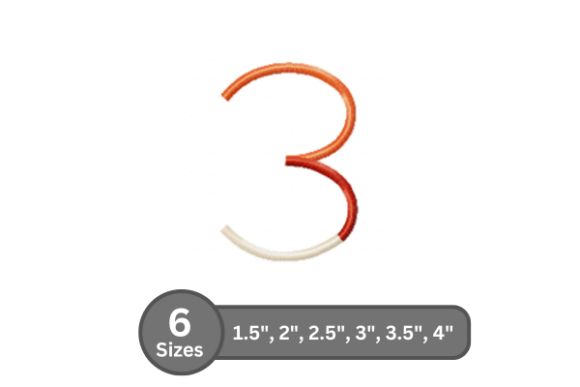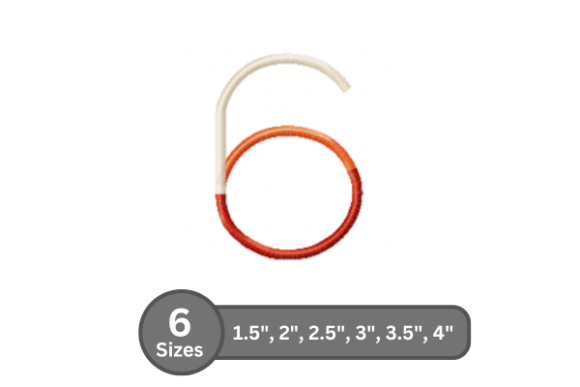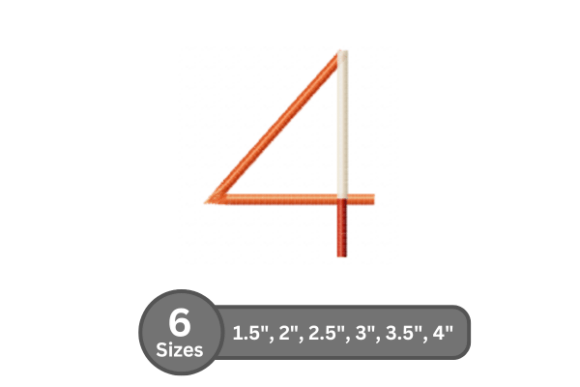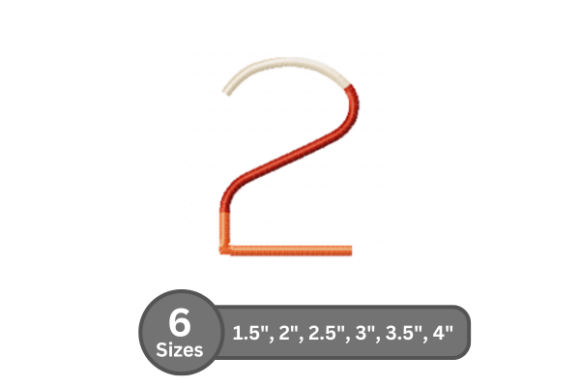
Color Bar Number -1: A Professional Embroidery Font Review for Merch and Patches
When a small business owner approaches me about creating branded merchandise, the conversation always centers on trust, recognition, and value. The embroidery file chosen is a foundational design asset that will represent them on uniforms, tote bags, patches, and beyond. So, when evaluating Color Bar Number -1, I look at it through that lens: is this a machine embroidery design that can carry a brand’s identity into the physical world with professionalism and durability?
First Impression: Modern Simplicity for Business Branding
The description of Color Bar Number -1 as a fill stitch embroidery font “digitized for smooth stitching and professional results” sets a positive tone. From a designer’s perspective, this suggests a focus on execution—a file crafted for the machine, not just the screen. The name evokes a clean, structured, almost modular feel. It doesn’t scream playful or overly decorative; it leans toward modern, classic, and versatile. For a boutique, creative studio, or café, this could be a excellent choice for achieving a look that is friendly yet polished, handmade yet consistent. It feels like a font that aims to be a reliable tool, not just a decorative element.
Performance in Real-World Business Applications
The true test of any embroidery file is on the fabric, under the needle, and in the hands of customers. Here’s how Color Bar Number -1 could perform across common small business merchandise needs.
Embroidered Patches for Product Labels and Caps
For a handmade shop or pet brand looking to add a woven-label feel to their products, a patch is ideal. Color Bar Number -1, with its promised smooth stitching, should translate well into a clean, dense patch. The fill stitch construction typically offers good coverage, making the patch look substantial and premium on a tote bag or as a sleeve detail on a work shirt. However, the success here hinges on size. A small patch for a product tag or a cap front requires the design to retain clarity at a reduced scale. This is a critical point to test.
Uniforms and Aprons: Building Staff Identity
A florist or bakery wants their team to look unified and professional. Chest logos on polo shirts or elegant accents on aprons are common. Color Bar Number -1 could work beautifully here as a text element beside a logo, or even as the primary branding if the business name is rendered with it. The “professional results” promise is key for uniforms—stitching must be clean to withstand daily wear and frequent washing without looking frayed or distorted. On dark uniform fabrics, thread color contrast becomes paramount; a bright fill stitch in this font would need to pop cleanly.
Tote Bags and Customer Gift Merchandise
For an Etsy seller or local boutique, a custom tote bag is a staple of small business merch. A bold, well-stitched brand name or slogan using Color Bar Number -1 on a bag corner can elevate a simple product into a valued customer gift. The fill stitch should provide a tactile, premium texture that buyers appreciate. It enhances product value and encourages engagement—people notice and remember a clean, crisp embroidered mark.
Careful Application: Where to Test and Plan
No embroidery design is universally perfect. For commercial embroidery success with Color Bar Number -1, a professional approach involves cautious testing in specific scenarios.
Small Scale and Curved Surfaces: Always test the font at the intended small patch size or on a curved surface like a cap front. Tiny lettering in a fill stitch font can sometimes lose definition if stitch density is too high or spacing is too tight.
Fabric and Stabilizer Compatibility: The results on a textured canvas tote bag will differ from a smooth polo shirt. Using proper stabilizer is non-negotiable for achieving the “smooth stitching” described, especially on stretchy or unstable fabrics.
Thread Color Strategy: Before running a multi-color job, test it in black and white first. This reveals the pure structure of the design—its density, clarity, and any potential issues with letter spacing or outline integrity. Then, plan thread colors for maximum contrast against your background fabric.
Impact on Brand Identity and Professionalism
Choosing Color Bar Number -1 is not just a technical decision; it’s a brand identity choice. For a small business, consistently used across aprons, patches, and caps, this font can establish visual consistency. That consistency builds customer trust and recognition. A clean, well-executed embroidered logo implies care and attention to detail—it tells a customer that the business values quality in its own presentation, which reflects on its products. A messy, poorly digitized font can undermine that trust. The “professional results” aim of this design directly supports a brand’s journey toward appearing established and reliable.
Practical Designer Notes for Business Use
Before committing Color Bar Number -1 to a production run for your branded merchandise, follow these steps.
- Create a Physical Mockup: Hoop the actual fabric (or a similar scrap) and stitch a sample. Inspect the finished product yourself. This is the only way to confirm hoop size requirements and overall satisfaction.
- Compare to Other Assets: If you have a main logo, stitch the font beside it on a sample. Does it complement your visual style? Does it feel cohesive?
- Check Commercial Licensing: The product description mentions it’s “perfect for personalizing clothing, bags, towels.” For small business merch and commercial embroidery, you must confirm the digital embroidery file license explicitly permits business use. Never assume.
- Client Approval is Key: If you’re an embroidery shop producing for a client, provide them with a stitched sample or a high-quality printable mockup. Let them see and feel how their brand name will look with Color Bar Number -1.
A Final Word for Merch Creators
Color Bar Number -1 presents itself as a solid, professionally-digitized option for businesses looking to add embroidered text to their identity toolkit. Its potential lies in its versatility across uniforms, patches, and promotional items. However, its success is entirely dependent on thoughtful application and rigorous testing on the actual materials you plan to use. Invest time in that testing phase. The right embroidery file, executed well, transforms simple apparel into powerful, lasting brand touchpoints that engage customers and elevate your entire small business presence.