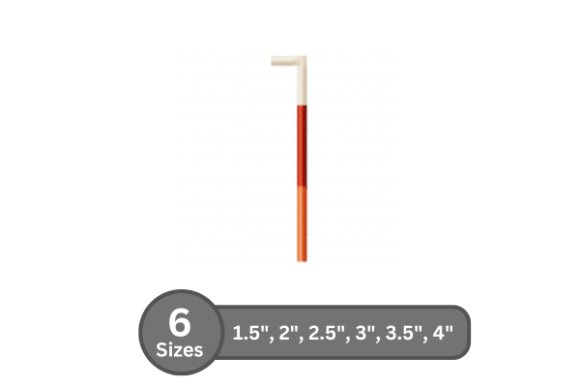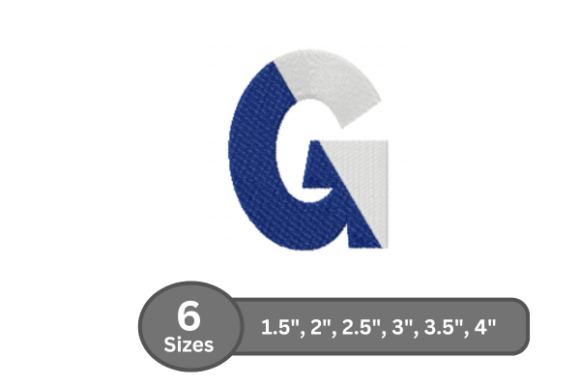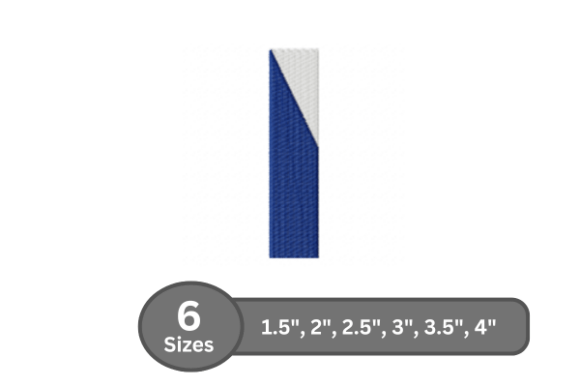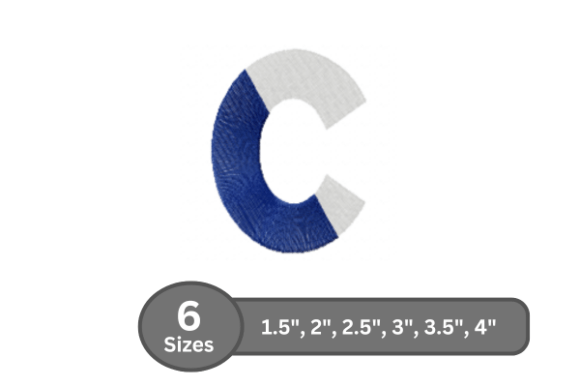
Twin Fill Number -7: A Professional Review for Business Merch
As a professional embroidery designer, I’m always evaluating digital embroidery files for their potential in commercial and branded merchandise. When I look at a design like Twin Fill Number -7, my first question isn’t just about its charm—it’s about its business utility. This review will analyze this design from the perspective of a small business owner, Etsy seller, or apparel decorator looking to create professional embroidered products.
First Impressions: Visual Personality for Brand Identity
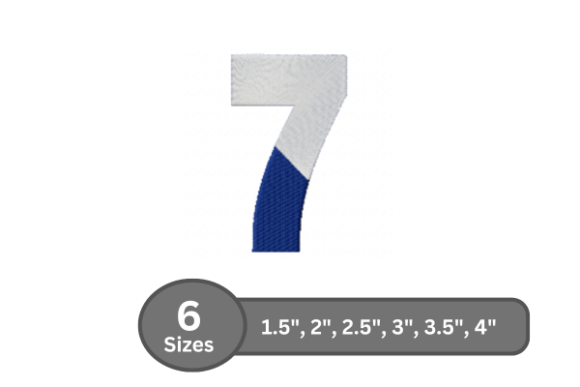
The title Twin Fill Number -7 suggests a numeric focus with a twin fill technique, likely creating a dimensional, textured look. The description calls it “cool,” “playful,” and “whimsical,” ideal for adding a dash of charm. My immediate impression is that this embroidery design leans towards a friendly, playful, and slightly decorative aesthetic. It feels modern and approachable, not overly rustic or ultra-premium. For a business, this means it could perfectly suit brands wanting to project a welcoming, creative, and light-hearted identity. Think of a boutique café, a vibrant creative studio, a playful pet brand, or a handmade craft business. It’s not a stern corporate logo, but it could be a fantastic accent to build customer recognition and engagement through its unique character.
Real-World Business Applications for Twin Fill Number -7
This design’s described versatility—being ideal for t-shirts, towels, or home decor—opens many doors for small business merchandise. However, we must think strategically about its application.
Staff Uniforms & Branded Apparel
For a small café or bakery, Twin Fill Number -7 could serve as a delightful sleeve detail or chest logo accent on staff polo shirts or aprons. Its playful touch enhances a uniform without overwhelming it. On a work shirt, it should be tested at a smaller scale to ensure the details remain clear and the stitch density is suitable for comfortable wear.
Embroidered Patches for Product Labels & Merch
This is a prime use case. An embroidered patch using this design could be applied to tote bags, aprons, or even as a product label tag for a handmade shop. Patches offer flexibility and a high-quality, handmade presentation. However, the success hinges on how the embroidery file performs at a small patch size. The twin fill and any detailed outlines must remain legible when reduced.
Cap Embroidery & Tote Bag Design
For caps, the design would need to be adapted for the curved front surface. Its whimsical nature could make for a great branded cap for a florist or creative studio. On tote bags, it adds value and turns a simple bag into branded merchandise. The fabric texture of the bag and proper stabilizer choice will be critical for a clean finish.
Customer Gifts & Event Merchandise
As a customer loyalty gift or event-specific item (like a towel or t-shirt), Twin Fill Number -7 adds that playful, memorable touch that encourages brand attachment. It’s perfect for creating a cohesive line of boutique merchandise.
Practical Considerations & Designer Notes
Before committing this design to production, a professional embroidery designer follows a strict checklist. These notes are vital for any business use.
- Test in Black and White First: Embroider a sample in a single high-contrast color (like black thread on white fabric) to check the clarity of the design’s forms and outlines. This reveals if it holds up without relying on color.
- Check Small Patch Size Performance: Hoop the design at the intended small size for a patch or cap front. Inspect spacing and density—does it become a blob, or do the details remain distinct?
- Review Thread Color Contrast: Plan thread colors that work on both light and dark uniforms. The design might need a bold outline if used on dark fabrics to maintain visibility.
- Test on Real Fabric: Don’t rely on the digital preview. Stitch it out on the actual fabric you’ll use for the finished product—whether it’s a cotton apron, a canvas tote, or a polyester cap.
- Use Proper Stabilizer: The right stabilizer is non-negotiable for a clean result, especially on items like towels or t-shirts that might have a looser weave.
- Create a Printable Mockup for Client Approval: If you’re an embroidery shop producing for a client, always provide a mockup showing the design on the intended product. This confirms visual consistency and avoids surprises.
- Compare Beside Other Brand Assets: Place the embroidered sample beside your other branding elements. Does Twin Fill Number -7 fit your brand identity and enhance product value, or does it clash?
- Confirm Commercial Licensing: Before any business use, verify the licensing terms of the digital embroidery file. Ensure it allows for commercial embroidery on the merchandise you intend to sell.
Where to Use Twin Fill Number -7 Carefully
Some applications require extra caution. Given its category and playful description, pay close attention to these scenarios.
- Very Small Patch Sizes: If the design incorporates tiny lettering or intricate details, shrinking it too much for a tiny product label patch could lead to stitching issues and loss of definition.
- High Stitch Density on Light Fabrics: A dense stitch count might cause puckering on lightweight t-shirts or delicate towels, affecting the professional look.
- Items Requiring Frequent Washing: For staff uniforms or tote bags that will be washed often, the design’s integrity over time depends on quality threads and proper underlay in the embroidery file.
- Curved Surfaces Like Caps: Adapting any design for cap embroidery often requires specific file adjustments to account for the curvature.
- Dark Uniforms Without Contrast: If your business uses dark navy or black polos, ensure the design has sufficient outline stitches or is planned with very light thread colors to stand out.
Impact on Brand Identity & Customer Perception
Ultimately, choosing an embroidery design like Twin Fill Number -7 is a branding decision. Its playful and whimsical nature directly communicates a brand’s personality. For a small business, this can foster customer trust by appearing approachable and authentic. It elevates product value—a simple apron becomes a branded, handmade product. Visually, it creates a point of recognition; customers will remember that charming number on your staff’s caps or your tote bags. However, consistency is key. Using it haphazardly across different items without a cohesive size or color strategy can dilute its effectiveness. When applied thoughtfully, it strengthens your handmade presentation and engages buyers looking for that unique, personal touch in your merchandise.
In summary, Twin Fill Number -7 presents a compelling opportunity for businesses in creative, customer-facing industries. Its strength lies in its friendly visual personality and described versatility. The path to success lies in the practical, pre-production work: testing, verifying licensing, and planning its application with the same care you put into your brand itself. By treating this machine embroidery design as a serious business asset, you can transform its playful charm into professional, branded merchandise that truly resonates.