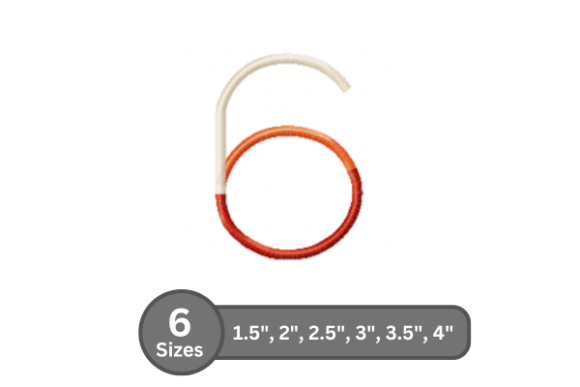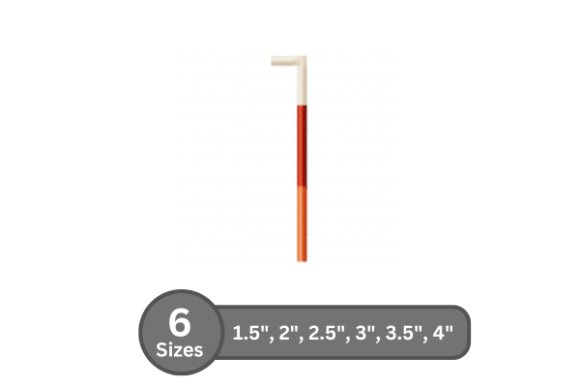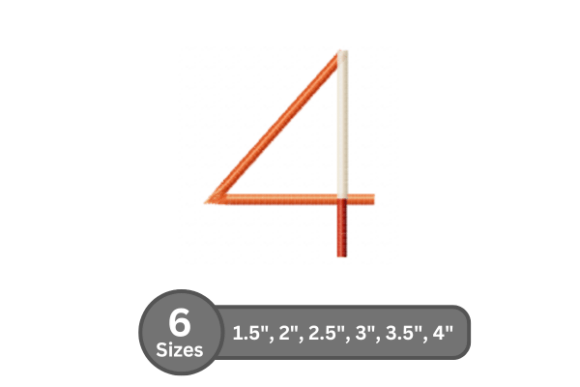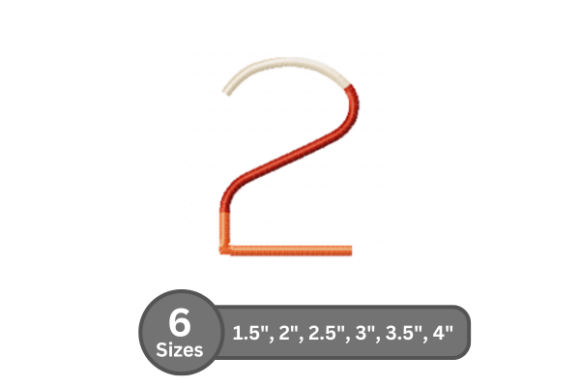
A Designer’s Review: Color Bar Number -3 Embroidery Font
When I first saw the Color Bar Number -3 font listed under the School category on Creative Fabrica, I immediately paused. As someone who digitizes fonts and runs a small embroidery business, I’m always cautious about fonts that promise "professional results." This one, described as a fill stitch embroidery font carefully digitized for smooth stitching, needed a real-world evaluation. I decided to test it with a specific customer order in mind: a set of personalized tote bags and matching sweatshirts for a school fundraiser. Here’s my honest take after considering it for actual handmade products and commercial projects.
First Impression: Where This Font Fits
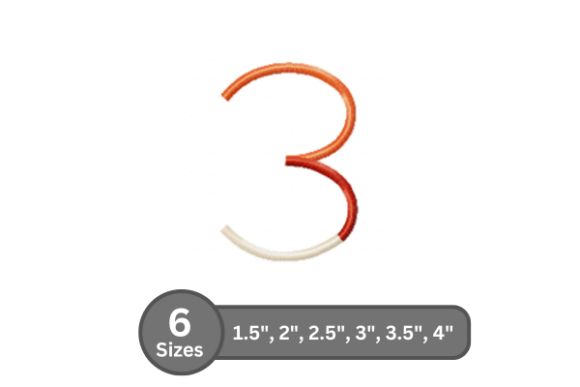
The visual mood of Color Bar Number -3 is clean, structured, and slightly playful. It’s not overly ornate, which is a plus for many applications. The detail level appears balanced—it’s a fill stitch font, meaning the letters are solid areas of stitching rather than outlines, which creates a bold, substantial look. Its stitching personality feels reliable rather than flashy. This decorative appeal is perfect for projects where clarity and readability are paramount, like personalized items where the text is the focal point. It naturally fits projects that need a sturdy, legible presentation: tote bags, aprons, pillow covers, and of course, school-related merchandise.
Performance in Real Embroidery Work
For the fundraiser order, I envisioned using Color Bar Number -3 on cotton tote bags and fleece sweatshirts. The font’s promise of smooth stitching is critical here. On stable fabrics like bag cotton, a well-digitized fill stitch font should lay flat without puckering. On stretchier fabrics like sweatshirt fleece, the digitization needs to account for movement. Without specific stitch count or density details provided in the product description, I knew testing would be essential.
For small business owners and Etsy sellers, this font could be a strong choice for a range of products. Think baby blankets with a name, kitchen towels with a family monogram, or caps with a simple slogan. Its bold fill stitch makes it stand out on darker fabrics, provided you use a good thread color contrast. For patches, the solid fill would give a substantial, professional feel, enhancing the product’s value. In product photography for your handmade shop or printable mockups, a clean, well-stitched font like this can significantly boost visual appeal and buyer trust. It presents a finished product that looks intentional and crafted.
Considering Practical Challenges
Any embroidery designer knows that theory and practice differ. When using an embroidery file like Color Bar Number -3, you must consider practical hurdles. Small hoop sizes might be a constraint if the font is designed for larger letters; tiny lettering could become a dense stitch area, risking fabric distortion. Textured or stretchy fabric always demands the right stabilizer. For curved surfaces like caps, the digitization must allow the stitches to conform without breaking. And for items needing frequent washing—like baby items or kitchen towels—stitch integrity is key.
I would never run this font on a customer’s item without first testing on scrap fabric of the same type. You need to check the actual stitch density, confirm the minimum hoop size required, and inspect small details like the corners of letters after stitching. Does it stitch smoothly as described? Does it look professional on both light and dark fabric mockups? These steps are non-negotiable for maintaining brand consistency and ensuring gift-quality results.
Affecting Product Value and Customer Engagement
Choosing the right machine embroidery design directly impacts your product’s perceived value. A font like Color Bar Number -3, if it performs well, can elevate a simple tote bag into a cherished personalized gift. For creative entrepreneurs selling at craft fairs or in boutiques, the handmade presentation is everything. A clean, bold font makes the embroidery look intentional and skilled, which engages customers more deeply. It can turn a generic sweatshirt into custom apparel with a story. For digital product sellers offering design assets, having reliable, well-digitized fonts in your toolkit is crucial for creating believable printable mockups for your clients.
Essential Embroidery Notes Before You Use It
Before committing Color Bar Number -3 to a commercial embroidery project, here is my practical checklist:
- Always test on a scrap piece of your target fabric—whether it’s canvas for a bag, fleece for a sweatshirt, or towel material.
- Review the thread color contrast you plan to use. A fill stitch font needs good contrast to shine.
- Use the proper stabilizer for your fabric type. This is especially critical for stretchy fabrics or textured fabrics.
- Confirm the hoop size needed by stitching a sample. Don’t assume it will work in a small hoop.
- Inspect the small details after stitching. Look for any jump stitches, thread breaks, or areas of overly dense stitching that might cause puckering.
- Most importantly, confirm the file details and licensing on the Creative Fabrica product page before selling any finished items. You need to know the exact file formats, any specific machine compatibility notes, and the license terms for commercial use. The description provided is a starting point, but the product page holds the essential specifics.
Final Thoughts for Fellow Designers
Color Bar Number -3 presents itself as a straightforward, professionally-digitized fill stitch embroidery font. Its strength lies in its potential for clear, bold lettering on a wide array of projects—from personalized gifts to commercial embroidery products. For school-related items, it’s a natural fit. However, its true worth is determined not by the product description, but by its performance on your specific machine, with your specific fabrics, and under your specific project requirements.
My advice to embroidery designers, Etsy sellers, and apparel decorators is this: treat it as a promising candidate. Download it, stitch it out on your typical materials, and evaluate it against your quality standards. Does it stitch smoothly? Does it give you the professional results you need for your handmade business? That hands-on test is the only review that matters. Creative Fabrica embroidery products can be excellent resources, but their value is always realized in the stitch-out. Color Bar Number -3 could become a reliable asset in your font library for creating engaging, high-value embroidered products, provided it passes your practical test.