A Straightforward, Practical Font for Everyday Embroidery
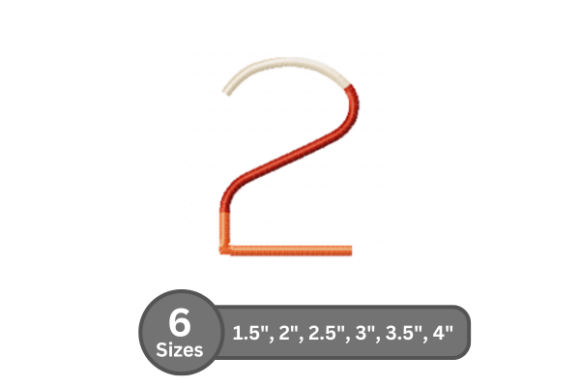
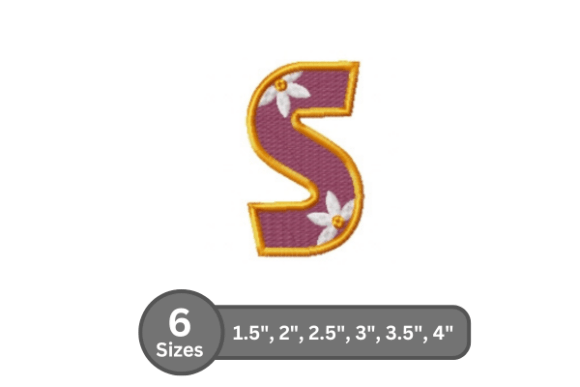
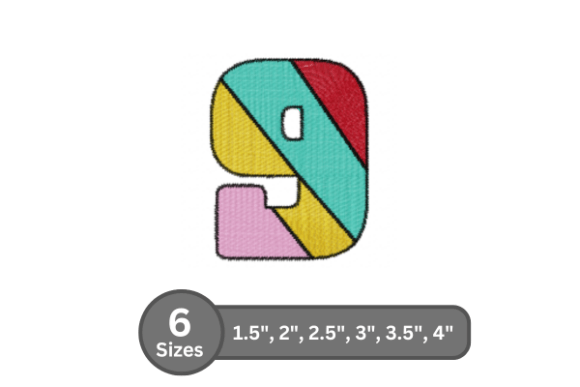
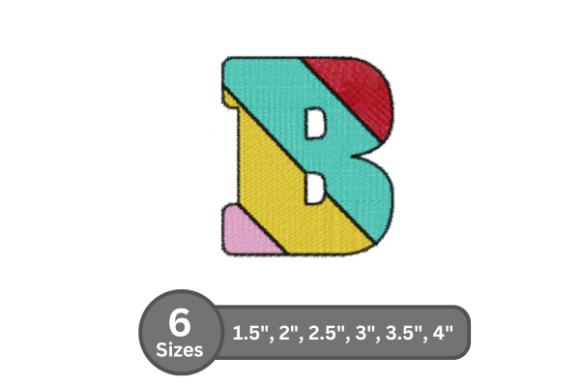
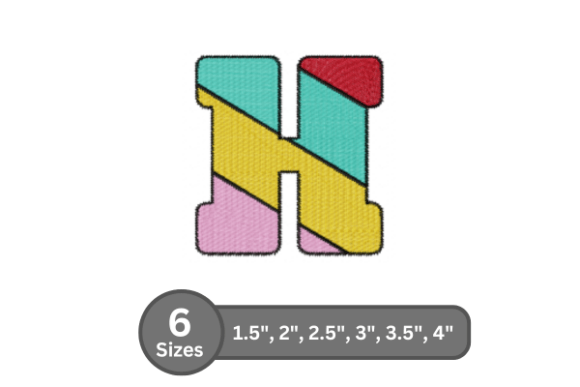
As someone who stitches designs for clients and my own shop daily, my first reaction to the Color Bar Number -0 font is one of relief. This isn’t a flashy, overly decorative font. It’s a clean, carefully digitized fill stitch font built for smooth stitching and professional results. Its visual personality is simple, honest, and highly functional. The mood it creates is orderly and clear—perfect for projects where the message needs to be read instantly, without visual clutter.
Where This Font Finds Its Natural Home
Given its category as a School font, the obvious applications are immediate: class lists, team rosters, or personalized items for students. But its utility stretches far beyond that. Imagine you’re preparing a batch of custom embroidered tote bags for a local boutique. The shop’s name needs to be clear and legible, stitching smoothly without dense, puckering fills. Color Bar Number -0 would handle that task with a quiet confidence. The same goes for kitchen towels, apron names, or cleanly labeled pillow covers in a nursery. This font belongs to the category of essential, workhorse design assets—the ones you rely on when the project’s success hinges on readability and a clean finish.
Thinking Through a Real Project: The Boutique Tote Bag
Let’s walk through a real-life scenario. I’m considering this font for a line of canvas tote bags for a small gift shop. The goal is to embroider the shop’s name and a simple motto on the front. Using Color Bar Number -0, I’m thinking about how it will stitch out. The fill stitch approach should mean good coverage, but without the heavy density that can distort thinner fabrics. On a sturdy canvas, it should sit flat and look professional. For the customer, that clean, unfussy presentation translates directly into perceived value and trust. It looks handmade, but with the precision of a commercial embroidery project. That balance is crucial for small shop products and Etsy listings.
Performance in the Real World of Fabrics and Hoops
This is a font designed for embroidery machines, and the promise of smooth stitching is key. In practice, that means I’d expect it to perform well on standard apparel like sweatshirts and t-shirts, provided stabilizer is used correctly. On baby clothes or blankets, where fabric is often softer, the fill stitch construction should be tested on scrap fabric first to ensure it doesn’t create a stiff, uncomfortable patch. For caps or curved surfaces, the design’s simplicity is an advantage—there are likely fewer tiny, intricate corners that could challenge the stitching on a curved seam.
However, a practical designer knows where to proceed with caution. Any embroidery font, including this one, requires careful consideration on very small hoop sizes. If you’re trying to stitch a tiny monogram on a sock or a delicate detail, the lettering’s clarity might suffer. Similarly, on highly textured or stretchy fabrics, and especially on dark fabrics where thread color contrast is vital, a thorough test run is non-negotiable. The clean shapes of Color Bar Number -0 should aid in stitching clarity, but no digital embroidery file is immune to the laws of fabric and thread.
How It Lifts Your Finished Product’s Appeal
From a business perspective, using a reliable font like this affects everything downstream. For a personalized gift—say, an embroidered tea towel for a wedding—the clean result feels thoughtful and professional, enhancing its giftability. For a craft fair product, it contributes to brand consistency across your items. For an apparel decorator, it builds buyer engagement because the text is easy to read and aesthetically pleasing without being distracting. It turns a simple name or number into a polished design element.
Essential Designer Notes Before You Stitch
Before loading this design for a client order or a new batch of merchandise, here’s my mental checklist. Always test on a scrap of your actual project fabric first. This tells you about stitch density, whether any adjustments are needed, and how the fill stitch interacts with the material. Check your thread color contrast against both light and dark backgrounds; a simple font relies heavily on this contrast for impact. Review the recommended hoop size for the design—since specifics aren’t provided here, you’ll need to confirm that in the file information yourself.
Inspect the small details in a black and white mockup or preview to ensure characters like the ‘0’ are clearly defined. Use proper stabilizer for the fabric type; this is especially critical for a fill stitch design to prevent puckering. And crucially, confirm the licensing terms before selling finished items or using it in commercial embroidery projects. This step protects your business and respects the digitizer’s work.
A Font for Makers Who Value Function
In the end, Color Bar Number -0 strikes me as a fundamentally practical digital embroidery file. It doesn’t scream for attention. Instead, it offers a solid foundation for personalizing clothing, bags, towels, and more. For the hobbyist making a baby item, the Etsy seller creating holiday gifts, or the small business owner producing boutique branding patches, it’s a tool that gets the job done cleanly. Its value lies in its reliability and straightforward visual appeal—the kind of design asset that becomes a quiet, trusted staple in your embroidery library.